
Call Now
405-562-2222
Published on Jun 10, 2026 | 8 minute read
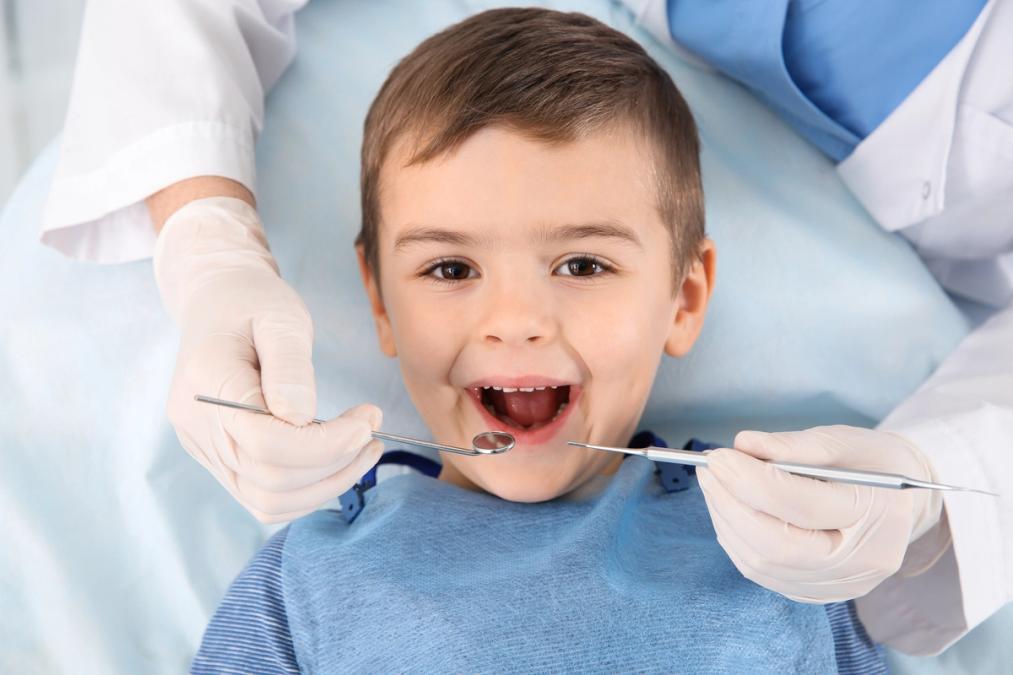
Every parent wants to help their child avoid cavities. Daily brushing, flossing, and regular dental visits all play important roles in protecting growing smiles. However, even children with excellent oral hygiene can develop cavities in certain areas of the mouth.
The chewing surfaces of molars contain deep grooves and pits that are difficult to clean thoroughly. Food particles and bacteria can easily become trapped in these areas, increasing the risk of tooth decay.
Dental sealants provide an additional layer of protection that helps shield vulnerable teeth from cavities. This simple preventive treatment has helped countless children maintain healthier smiles while reducing the need for restorative dental procedures.
For families in Edmond, OK, understanding how dental sealants work can help support informed decisions about preventive pediatric dental care.
Dental sealants are thin protective coatings applied to the chewing surfaces of back teeth.
Once applied, the sealant forms a protective barrier over the grooves and pits where food and bacteria often accumulate.
The material bonds directly to the tooth surface, creating a smoother area that is easier to keep clean.
Sealants are most commonly applied to permanent molars because these teeth face a higher risk of developing cavities.
The process is quick, comfortable, and completely non-invasive.
Molars play an important role in chewing food, but their unique shape also makes them more susceptible to decay.
Unlike the smoother surfaces of front teeth, molars contain:
Even with diligent brushing, toothbrush bristles may not fully clean these areas.
As food particles and bacteria collect in the grooves, plaque can form and increase cavity risk.
Sealants help address this challenge by covering vulnerable areas before decay develops.
Children often receive sealants shortly after their permanent molars erupt.
The first set of permanent molars typically emerges around age six.
The second set usually appears around age twelve.
Applying sealants soon after eruption allows dentists to protect the teeth before cavities have an opportunity to develop.
Some children may also benefit from sealants on other teeth depending on their cavity risk and oral health needs.
A pediatric dentist can evaluate your child's teeth and determine whether sealants are appropriate.
One reason parents appreciate dental sealants is the simplicity of the process.
The procedure usually takes only a few minutes per tooth and does not require drilling or anesthesia.
The steps generally include:
Once complete, the sealant begins protecting the tooth immediately.
Children can typically return to normal activities right after the appointment.
Dental sealants are designed to provide long-term protection.
Many sealants remain effective for several years.
During routine dental visits, pediatric dentists monitor sealants to ensure they remain intact and functioning properly.
If a sealant becomes worn or chipped, it can often be repaired or replaced easily.
Regular checkups help maximize the effectiveness of this preventive treatment.
Dental sealants are an excellent preventive tool, but they do not replace daily oral hygiene.
Children still need to:
Sealants work best when combined with a comprehensive preventive care routine.
Think of sealants as an extra layer of protection that supports, rather than replaces, healthy habits.
Dental sealants have been shown to significantly reduce cavity risk in molars.
Because most childhood cavities occur on the chewing surfaces of back teeth, protecting these areas can make a substantial difference.
Sealants help prevent bacteria and food particles from settling into vulnerable grooves where decay commonly begins.
For many children, sealants contribute to fewer cavities and reduced need for restorative dental treatment.
Dental sealants offer numerous advantages that support long-term oral health.
Benefits of Dental Sealants for Children include:
These benefits make sealants one of the most valuable preventive tools available in pediatric dentistry.
While modern dentistry offers effective solutions for treating cavities, preventing decay remains the preferred approach.
Preventive care helps children avoid:
Sealants are one component of a larger preventive strategy that includes exams, cleanings, fluoride treatments, and oral health education.
The goal is always to help children maintain healthy natural teeth whenever possible.
Children experience significant oral development throughout childhood.
As permanent teeth emerge, protecting them becomes increasingly important.
Preventive treatments like sealants allow pediatric dentists to support healthy development while reducing cavity risk during critical growth periods.
The earlier preventive measures are implemented, the greater the opportunity to maintain strong, healthy teeth for years to come.
Parents who prioritize preventive care often help their children avoid many common dental concerns.
Dental sealants offer a simple yet highly effective way to protect children's teeth from cavities. By covering vulnerable chewing surfaces, sealants help prevent decay before it starts and support long-term oral health.
Combined with routine dental visits, healthy habits, and professional preventive care, sealants can play an important role in helping children maintain strong, healthy smiles.
At Children's Dentistry of Coffee Creek, families in Edmond, OK can count on personalized preventive care designed specifically for growing smiles. The team is committed to helping children enjoy healthy teeth through every stage of development.
To learn whether dental sealants may benefit your child, contact Children's Dentistry of Coffee Creek in Edmond, OK at (405) 562-2222 to book an appointment and help protect your child's smile for years to come.
Dr. Ferguson and our entire team are committed to making every child's dental visit positive and comfortable. We invite you to experience the Children's Dentistry of Coffee Creek difference and discover why families throughout Edmond trust us with their children's oral health.